What happens when the pokies stop paying out and you fancy a hand that actually asks you a question? Plenty of locals have found themselves scrolling past the same old screens and wondering whether a real human across the table might be worth the trouble. The idea sounds simple enough until you start sorting out whether you want a downloaded app, a browser tab, or just a quick arvo session on the train home from the depot. Anyone hunting for a live blackjack dealer online Australia soon discovers the choice is less about the cards and more about how you want to carry the game in your pocket.
A mobile-first mind makes sense when your entertainment budget has to stretch between paydays and the cost of living keeps nudging every dollar harder. You might be the sort who pops into the local club for a spin, then checks the balance on the way home and decides whether a few hands of twenty-one fit the week’s spending. That rhythm shapes everything: how much data you burn, whether you risk a patchy connection at the pub, and how long you stay in the seat before the next invoice lands. The right setup feels less like a gamble on your phone plan and more like a quiet compromise that suits your routine.
The old game has roots stretching back to French Louisiana, where the ancestor called poque circulated among players who liked a bit of bluff and a bit of patience in the same evening. That same mix of nerve and restraint still sits behind the felt, though the modern version is delivered through a camera, a shoe, and a dealer who never needs a break. A player moving from the pokies to a live table for the first time usually notices the pace first, then the fact that the cards are dealt in front of you rather than by a spinning reel. The experience asks for a different kind of attention, and it rewards anyone willing to slow down long enough to read the room.
App Or Browser Choice
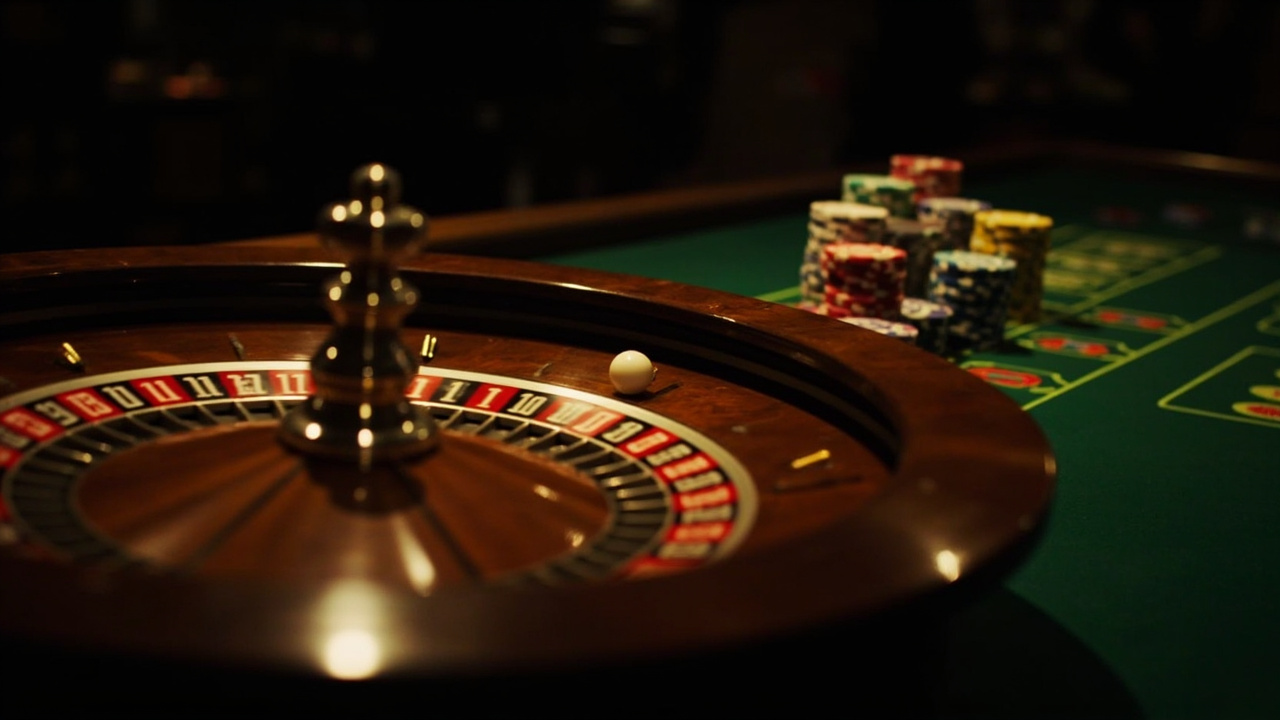
A downloaded app usually wins on speed once it is installed, because the software keeps the graphics and the video stream ready without asking your browser to rebuild the whole page every time. The trade-off is storage and updates, plus the occasional nag from the store when a new version lands while you are mid-session. A browser tab avoids the install altogether and lets you jump straight into a seat from a link, which suits anyone who shares a phone or simply does not want another icon crowding the home screen. The downside is that a heavy page can chew through data faster and may stutter if the connection drops while the stream is rebuilding.
Anyone weighing the two should think about where they actually play most often. If you are the kind of person who settles in for a proper session on the couch after work, an app can feel tidy and reliable. If your play happens in odd pockets of the day between chores and family noise, a browser tab keeps things lighter and easier to close when real life interrupts. A sensible test is to run both for a week, watch the data use in your phone settings, and note which one stays smoother when the signal thins out near the back fence or down at the local.
Data Use On The Move
Video streams eat data in a way that a static pokies screen never did, so the first thing worth checking is whether your plan has enough headroom for a few sessions a week. A lower quality stream can cut the burn noticeably, though it sometimes makes the cards harder to read on a small screen when you are standing up or moving around. Turning off background app refresh and pausing other downloads during play helps more than people expect, because the phone stops fighting the stream for bandwidth in the background.
A practical rule is to set a soft limit before you start, say you deposit fifty dollars and decide in advance how many hands that buys you at the table. That kind of boundary keeps the session from drifting while you are watching the shuffle and the dealer’s rhythm. If you are playing on the train between towns or in the back of the ute during a slow spell, favour a connection you can trust rather than the strongest signal in the room.
- Check your phone’s data usage after each session to see how much the stream actually burned.
- Lower the stream quality one notch if the cards are still readable on your screen.
- Pause automatic backups and other downloads before you sit down to play.
- Use a connection you know is stable rather than chasing the strongest signal in the room.
- Decide on a soft limit before you start, so the session does not drift while you are watching the shuffle.
Regional Queensland Realities
Out in the regional Queensland towns where the broadband can be patchy and the mobile towers are a long way from the main drag, the browser-versus-app question gets more practical and less theoretical. A player at a kitchen table in Charters Towers or near the sugar towns down towards Bundaberg often has to choose between a stream that keeps buffering and a setup that simply waits for a better moment. The same goes for anyone playing after the afternoon heat has pushed everyone indoors and the household Wi-Fi is carrying three other devices at once.
A sensible approach is to pick a time when the house is quiet and the connection is steady, then treat the session like a planned entertainment expense rather than something that happens whenever the mood strikes. That fits the way many households already think about entertainment budgets between paydays, where every dollar has to cover a few things before the next deposit lands. If the signal is marginal, a shorter session on a stronger connection beats a long one that keeps stalling at the worst possible moment.
What Good Play Looks Like
A good live table is one where the dealer keeps a steady pace, the cards are legible on your screen, and the chat stays friendly without dragging the hand out. Anyone who has spent time at the pokies knows the difference between a game that moves and one that just sits there, and the same instinct applies here with a bit more attention to the human element. The dealer’s rhythm matters because it shapes how long a session lasts and how much data it uses, which is why a smooth table often feels better than a flashy one with a slow shuffle.
An honest aside here: plenty of advice tells newcomers to chase every hand and stay at the table as long as the cards allow, but that is poor guidance for anyone playing on a limited budget or a shaky connection. A better habit is to leave while the pace is still comfortable, before the stream starts dragging and the decisions get harder to read. That way the session ends on a note that feels controlled rather than stretched.
- Pick a table with a dealer whose pace feels steady rather than rushed. Sitchu
- Make sure the cards are readable on your screen before you commit to a seat. stellar casino no deposit bonus
- Leave the table while the stream is still smooth, not after it starts dragging.
- Treat the session as a planned entertainment expense instead of an open-ended sit.
- Keep the chat friendly but brief, so the hand does not drag on longer than necessary.
A good session ends the way a sensible night out ends, with the phone pocketed and the evening still ahead of you. As one seasoned operator put it, the trick is to treat the stream like a proper table you can step away from, not a screen you have to keep feeding until the balance runs dry.